Welcome to Griffins 2025-26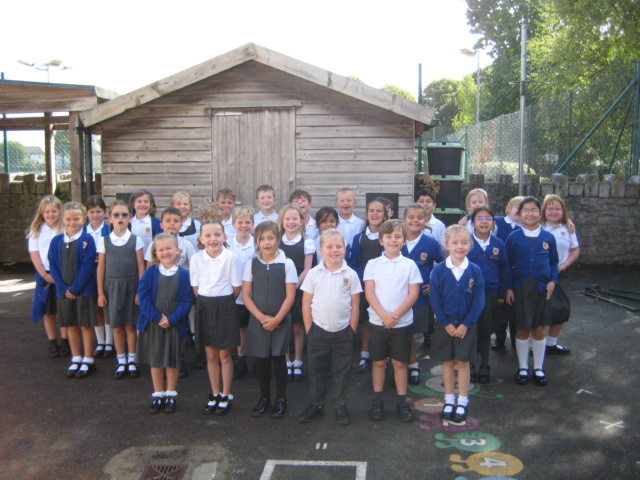
Autumn Term 2 – Inq 2- What is democracy?
Our inquiry this term has focused on democracy – what it is, where we see it in our everyday lives, and where it all began. The children have shown great curiosity and enthusiasm as we explored this important concept together.
We travelled back in time to Ancient Greece, learning about the birth of a democratic society. As part of our English and inquiry learning, we read books about women in Ancient Greece, discussing the very different lives they led and comparing these to life today.
In geography, we explored how Greece is made up of many islands and learned about the different city-states, such as Athens and Sparta. This led to thoughtful discussions about whether democracy truly worked in Ancient Greece and who was actually able to take part.
Through history lessons, we learned how the Ancient Greek civilisation evolved and the lasting legacy it has left on the modern world. The children made excellent links between the past and present, especially when discussing where and how we experience democracy today.
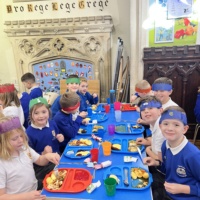
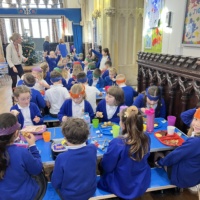
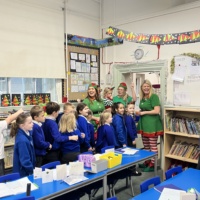
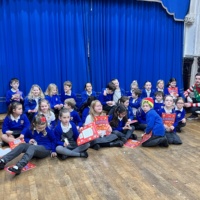
Our pupil voice teams are now well and truly up and running. The children have been involved in class and house votes, helping them understand how voting and decision-making link to a democratic society. We also practised our debating skills, which tied in nicely with our homework and encouraged confident speaking and listening.
Alongside our inquiry work, we enjoyed learning about Greek myths, sparking creativity and imagination across the curriculum.
Finally, swimming began this term, and we are incredibly proud of our confident swimmers. We certainly have some amazing water babies in the Griffins class!
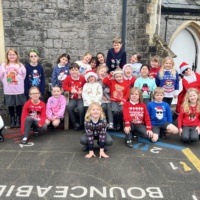
And then we had Christmas!

Autumn Term 1 – Inq 1- ‘Who we are independently and together?’
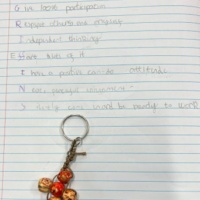
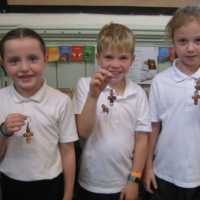
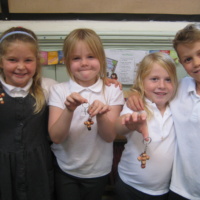
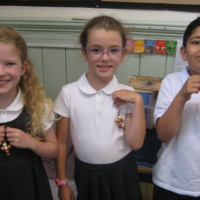
Our inquiry this term is all about exploring who we are. Our Science, ‘Humans and animals’ will explore our diets, bodies and our teeth as well as those of other animals. PSHE begins with ‘Being me in my world’ and we are making bead crosses to help us remember the ideas we have had for our class charter. We made the ideas into an acrostic poem too.
We began looking at the story of the Enormous Turnip and teamwork during our transition visit. And this was one of the first pieces of writing this term along with ‘Introducing Me’ using paragraphs to share things about ourselves.
We have enjoyed thinking about the world’s 7.5 billion members represented by just 100 people (If the world were 100 people) and read ‘Can I build another me?’ exploring our likes and dislikes.
We went on a village walk to observe and suggest ideas we had about the things we spotted and what it tells us about our local area and the UK. Our local historian Lisa Bishop took us on another walk and told us some historical facts using both primary and secondary evidence.
We have also been busy with new lessons for Ukuleles with Mrs Davies and French with Mr Sage.
Thank you also to all the families that attended the parents’ information evening.
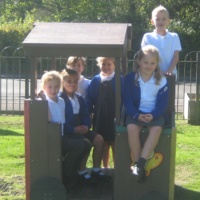
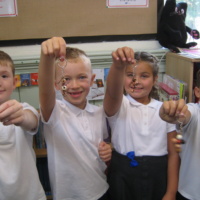
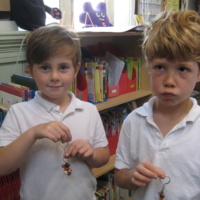
Welcome to Griffins 2024-2025!

Summer Term 1 What is culture? (Exploring expression and Creativity)
Our exciting new inquiry focusses on how humans communicate their beliefs and cultures through various means. This topic not only allows us to explore the richness of cultural diversity, but also encourages our students to uncover the many methods by which culture is conveyed.
In our lessons, we will delve into significant questions such as how city resources, like rivers and airports, impact population dynamics. Through developing our understanding of the role these resources play, students gain insight into the relationship between geography and community development. We also aim to explore what networks tell us about cities – from transport links to digital connectivity, students will learn how these networks shape our daily lives.
We will investigate the systems that are in place to improve our cities, with a particular focus on diversity and inclusion. This focus will reinforce the importance of community cooperation and the role of various organisations in fostering inclusive environments.
In line with our curriculum objectives, this inquiry will meld science and geography. For our Year 3 science focus on Forces and Magnets, students will have hands-on opportunities to experiment with pushing and pulling forces, linking their findings to how urban infrastructure is influenced by these principles. Additionally, as we learn about European cities in geography, we will relate our findings to local contexts, encouraging students to draw parallels between their lives and those of their European counterparts.
A highlight of this project will be our community art piece, which will encapsulate our learning and reflect the diverse cultures we have explored. This collaborative art project not only aims to beautify our school environment, but also to symbolise our shared values and experiences.
Knowledge Organisers- What is Culture?
* Outdoor Pursuits Adventure *
The Griffin class were fortunate enough to explore a day in the great outdoors at Mendip Activity Centre as part of our personal development curriculum.
They took part in numerous activities and for most, tried things for the very first time. There were some very tired legs and arms at the end of day but lots and lots of smiles!


Spring Term 2 – You raise me up- (Exploration & Discovery)
In our current topic, we shared some insights and discussed the fascinating ways in which location can shape culture, as well as the profound impact of stories on our understanding of past and present civilisations, particularly in relation to Ancient Egypt.
We considered the significance of the River Nile and how this remarkable waterway was essential to the development of Ancient Egyptian culture. Settlements flourished along its banks due to its vital resources, providing water, fertile soil for agriculture, and a means of transportation. We explored how these geographical advantages not only facilitated the growth of a sophisticated society but also influenced the beliefs and traditions of its people. We could still see parallels in how important rivers and locations continue to impact modern communities today; the lessons from the Nile remain relevant.
As part of our investigations, we will engage with stories and myths, such as those found in the film-clip “Tadeo Jones,” which bring to life the beliefs of different cultures. Storytelling is a crucial way for societies to express their values, fears, and aspirations. Through narratives we could understand how Ancient Egyptians perceived their world and the things they held sacred—information that enriches our own cultural literacy. We delved into how stories from the past, such as that of Tutankhamun. This young pharaoh’s legacy offers insights into the achievements and complexities of Ancient Egyptian society, as well as lessons about how our understanding of history can influence contemporary conversations on culture and identity.
In addition, we will conduct a knowledge harvest and create timelines to better understand the emergence of the earliest civilisation, pinpointing when and where they first appeared. Our in-depth study will focus on the marvels of Ancient Egypt, considering the influences of earlier eras—such as the Stone Age—and contrasting them with modern Egypt as seen through various media, including videos. This comparative analysis will highlight the dramatic changes in landscape and society, from giraffes roaming the plains and the expansive deserts of the past to today’s vibrant, bustling cities.
I encourage you to engage your children in discussions about these topics at home. Consider how the environment still shapes cultural practices today and how historical stories may resonate within our society. Together, we can foster a deeper appreciation for the rich tapestry of human culture.
I wonder what we will discover about mummification?
You Raise me Up
Homework- You Raise Me Up
Welcome back to the second part of the Spring Term. The break has been great and now we have a lovely spot of sun to bring out all the smiles.
The Inquiry unit for this term is based upon looking at the structure and organisation of one civilisation being influenced by the development of another. The Griffins have named it ‘The Egyptians- You raise me up!’
Part one of our next exciting homework for this term is:
Inquiry 4 Homework (Part 1)- There were about 80 pyramids and the most famous are the three at Giza, the largest being the Pyramid of King Khufu.
What historical questions does this raise? Share your ideas below for our floor book.
There is a main part linked to these questions coming imminently.
If you would like a little extra, this came from a class discussion this morning in guided reading:
Impromptu Homework idea: Where can we find Braille or helps that supports sight impaired people in their everyday lives? Take some pictures and send them in on Class Dojo.
Spring Term 1- Living Peacefully in Our world (Community & Citizenship)
The volcanoes and other natural process are coming to an end (or are they?) as we begin our Spring work. We began looking this week at ‘ how our world is divided up?’ which helped us to remember the work we have covered in years one and two as well, as in our first term in year three.
Our new inquiry title is ‘Living Peacefully in Our World’ and we would like to find out about these three lines of inquiry
- Rocks give us knowledge of our past- how?
- Which early inventions help develop communities?
- How communities develop cultures and beliefs?
As we embark on our Spring term, I wanted to take a moment to update you on our exciting new learning journey. We will be wrapping up our study on volcanoes and other natural processes shortly, but the exploration of how our world is structured is just beginning!
This week, we initiated our inquiry into “How Our World is Divided Up?” This topic allows us to revisit content covered in Years One and Two, as well as our first term in Year Three. It is wonderful to see the children drawing upon their previous knowledge to deepen their understanding of geography and the world around them.
Our new inquiry title, “Living Peacefully in Our World,” will guide our exploration this term. We are particularly excited about delving into three specific lines of inquiry:
- Rocks give us knowledge of our past – how?
- Which early inventions help develop communities?
- How do communities develop cultures and beliefs?
These questions are designed to help students connect with the past and understand the foundational elements that contribute to the richness of our diverse communities today. As we navigate these topics, we encourage you to engage with your child at home. Discussing their discoveries and opinions can further enrich their learning experience.
We hope to foster a sense of curiosity and a desire to learn not just about our world, but about how we can all contribute to living peacefully within it. Your support at home makes a significant difference in your child’s educational journey, and we appreciate your partnership.


Living Peacefully in Our World
Autumn Term 2 – Natural Processes can be influenced (Culture & Diversity)
As we continued on our exciting journey through the Autumn term, I wanted to take a moment to share the wonderful learning experiences your children have been engaging in including the festive activities.
In our Science curriculum for year 3, we began delving into the fascinating world of light, investigating the science of shadows and their connection to light. We explored drawing our shadows by changing the distance and intensity of the light source.
We moved on to explore how natural processes can be influenced and measured over time, and learnt about volcanic activity, including a study of Pompeii, where children made discoveries about how life was affected by the eruption of Mount Vesuvius. Our lessons also covered the formation of volcanoes and the different layers of the Earth, along with the effects of earthquakes. The homework for both the first (river exploration) and second topics which included either volcanoes or shadows (Go Charlie!) have been embraced well. Thank you for your continual support and cooperation in inspiring your child’s curiosity and education.
We visited the Wessex Water Recycling Centre, giving the children the opportunity to discover the critical role water plays in our environment and the water cycle. We also visited The Synagogue and Bristol Museum, having the chance to learn about cultural history and having an introduction to the wider world including Egyptians (included in our next topic), and rocks and fossils to name a few.
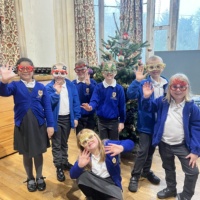
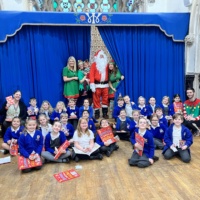
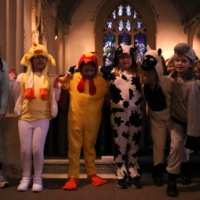
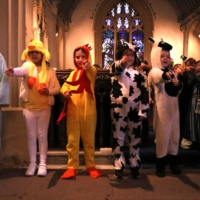
As we approached the festive season, our focus shifted towards the much-anticipated Christmas play, “Are We Nearly There Yet?” The children enjoyed rehearsing and performing in the two performances showcasing their hard work and enthusiasm- a delightful experience for all and we felt so proud of the Griffins and Phoenix children.
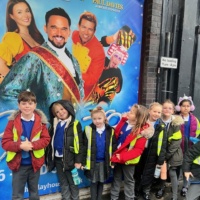
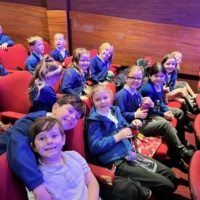
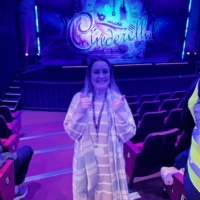
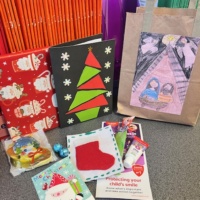
In the spirit of Christmas, we enjoyed the Santa’s Grotto visit, our Christmas jumper day, the panto and of course, the delicious Christmas dinner. These events, along with others and our Christmas makes, encompassed the sense of community and joy as we celebrated the festive season together.


KS2 Nativity photos
Natural processes can be influenced
Autumn term 1 2024-25- Exploring Movement in Our World (Humankind & Ourselves)
We have had a very busy Autumn term embarking on an exciting journey into the concept of movement, in our New Inquiry Curriculum! We explored the question, “How do people and things move?” This inquiry encouraged our children to think deeply about the world around them and the role teamwork plays in movement, beautifully illustrated through “The Enormous Turnip.” In this tale, everyone pulls together to shift that massive root vegetable, demonstrating the value of collaboration.
We also looked at “River Story” by Meredith Hooper, a lovely way to discuss how rivers flow and what might hinder their movement, enriching our Geography lessons. Plus, “Windows” by Jeannie Baker offered a chance to reflect on change over time, making connections to environmental progress—is all of it positive?
In Science, our young learners investigated skeletons, muscles, nutrition, and how dietary habits have evolved over the years. It’s fascinating to consider how our diets impact our health, including our teeth! Finally, we brought all these ideas together in Art through portraits and moving pictures, allowing our children to express what they have discovered creatively. Movement is all around us, and this inquiry is sure to spark curiosity in our children!